
-
22/10/26 11:05 am


Losses made by taxpayers disposing of their investments in residential property have jumped by 32% in the last tax year to £1.15 billion.
HMRC data gleaned by Bowmore Wealth Group reveals this was up from £870 million, which the firm explains shows the value of losses that have been crystallised by the sales of those residential property investments. It adds that paper losses are likely to be far higher.
David Floyd, head of private clients of Bowmore Financial Planning, explains that buy-to-let investors have been hit by stagnating property prices nationwide and by falling prices in key markets such as London.
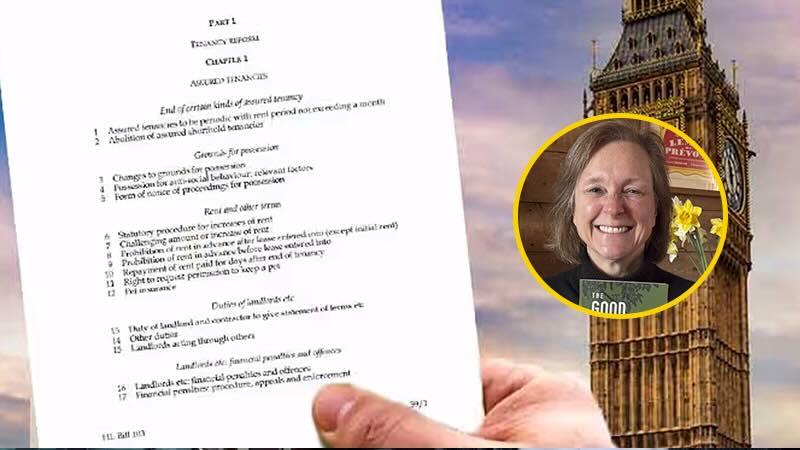
He adds that the fall in property prices in real terms (post inflation) comes at the same time as rising mortgage costs and the impact of the Renters’ Rights Act, which makes it harder to remove a tenant that has defaulted on their rent and also harder for landlords to increase their rent.
“BTL investors are looking at the growth in global stock markets and the high yields on UK government bonds and asking themselves if they should still be in an investment that has a relatively low net yields,” says Floyd.
The Act may have also prompted investors to sell up even if it means taking a loss, he adds. “A lot of BTL investors found that the administrative burden of being a landlord, as opposed to being a stock market investor, was surprisingly high.
“That administrative burden and the costs of maintaining the stock left BTL investors with net yields that were fairly low and were flattered by house price inflation. However, house prices have now stalled and the prices of many flats has fallen sharply.
“The new Renters’ Rights Act added an extra level of jeopardy and risk into being a landlord.”
Tags:


















Comments