
-
22/10/26 11:05 am


Heightened speculation surrounding property tax ahead of the upcoming Autumn Budget has prompted scores of landlords to Google how to restructure their properties and scale back investments.
Searches for ‘transfer property to limited company’ and ‘property Special Purpose Vehicle’ as well as ‘buy to let limited company’, ‘landlord tax change’, ‘sell buy to let” and ‘selling rental property’ all saw an exceptional increase in search volumes (+5,000%) during the past month, according to specialist insurer CIA’s analysis of Google Trends data.
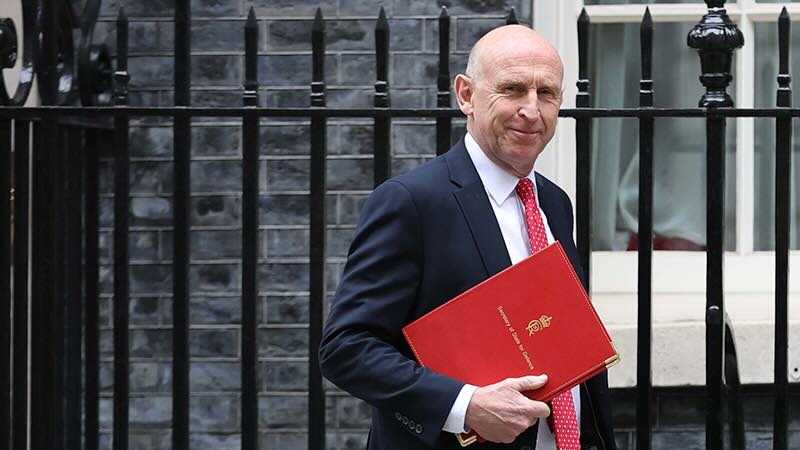
Although John Healey has reportedly ruled out changes to Capital Gains Tax, speculation is rife around property taxation and sector experts are making last-minute appeals to the Chancellor to support responsible landlords and keep the sector viable.
Landlords already face higher taxation of rental profits from April 2027, with separate property income tax rates of 22%, 42% and 47% previously announced.
Sam Humphreys, head of M&A at Dwelly, believes further taxation could accelerate the consolidation of rental portfolios, with smaller and less efficient landlords increasingly likely to reassess their position or exit the market altogether. “While this may create opportunities for professional operators to acquire and manage portfolios more efficiently, the government must be careful not to discourage investment in rental housing as a whole.”
He adds: “What the sector needs is a stable, predictable tax environment that encourages long-term investment and professionalisation, rather than repeated interventions that make it harder for landlords to plan with confidence.”
Surveyors have called for the government to go further in bringing long-term empty homes back onto the market, as RICS chief executive Justin Young believes the current tax system discourages firms from improving their premises. “Reforming business rates and rewarding energy efficiency upgrades and high street regeneration would start to turn that around,” he explains.
The NRLA has already outlined its proposals that CGT should apply to genuine gains, not gross increases in property values. Chief policy officer Chris Norris (pictured left) agrees that the tax system needs a fundamental overhaul to encourage long-term investment in new rental housing stock.

“Alongside this, housing benefit rates need to change so they reflect rental prices as they are today,” says Norris. “The Chancellor also needs to develop a bespoke package of support to help responsible landlords make the investments needed to meet the government’s energy efficiency targets.”
The practical reality of providing good-quality rental accommodation is that costs continue long after a property has been purchased, adds Rushbrook MD Roma Sharma (pictured right), from maintenance and essential repairs to safety requirements, property improvements and professional management.

“These are not optional expenses, and landlords cannot continue to absorb rising costs indefinitely, particularly when they are already adapting to substantial changes in the regulatory environment," she says.
Tags:




















Comments