.avif)
-
27/8/26 2:49 pm


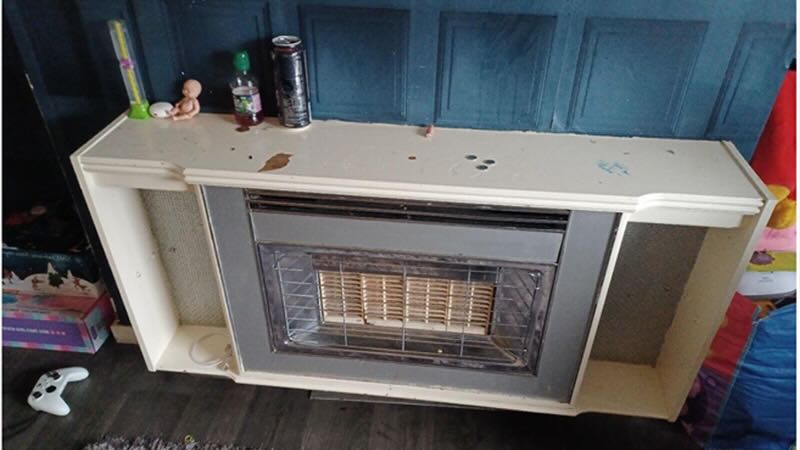
Both tenants and landlords are losing out to firms chasing lucrative housing disrepair claims, according to Landlord Licensing & Defence.
Claims are becoming common, consultant Des Taylor tells LandlordZONE, and are frequently raised in response to Section 8 and Section 21 notices, with the clear tactical objective of delaying or frustrating the possession process.
“The claims are now routine and are commonly pursued by conditional fee solicitors operating on a no-win no-fee basis, whose strategy often relies on relentless pressure for disclosure in an attempt to identify any potential culpability,” he says.
Tenants frequently make broad and unsupported allegations despite failing to report issues, refusing access, or not acting in a tenant-like manner in their use of the property, says Taylor.In small claims, each side pays its own costs, but in fast track, claimant solicitors can recover large fees, even when tenants receive only modest compensation. “We are seeing examples where a tenant is paid £4,000, a quarter of that is deducted plus VAT, and then a costs claim of more than £22,000 lands on the landlord’s desk. So, the tenant ended up with just £2,800 while the solicitor received £23,000. Such figures are no longer unusual.”
Meanwhile, Rent Repayment Order applications are frequently accompanied by deposit protection claims and/or housing disrepair claims, creating the complication of parallel proceedings across the First Tier Tribunal and County Court.
“Consolidating these matters within the First Tier Tribunal as a single jurisdiction would be a far more sensible and effective reform,” he suggests. “Strengthening the tribunal system and expanding its remit would allow experienced property specialists, who deal with housing matters daily, to determine these disputes rather than relying on generalist judges with no property specialisation.”
While the Renters’ Rights Act should encourage higher standards of discipline, responsibility, and record keeping, it also creates opportunities for those seeking to monetise the system, adds Taylor.
Alternative dispute resolution is the way forward, but there are gaps, says Sean Hooker, head of redress at Property Redress (pictured).

“The current agent redress schemes currently deal with the complainants against agents delivering the service of repairs and maintenance,” he tells LandlordZONE. “Ultimately however the landlord is responsible for the condition of the property structure and the putting any issues right. This is why we called for the introduction of an ombudsman that holds landlords accountable. Any such service should be free and accessible to a tenant and does not need an intermediate, creaming off a percentage of the claim or charging a fee. The inquisitorial powers of redress can effectively determine whether a dispute is genuine and determine where any liability lies.”
Hooker hopes the new body will utilise the tools of mediation and early resolution for effective, fast and affordable outcomes. “We agree that if alternative dispute resolution fails, the tribunal system is the next best step, with court as the last resort. When lawyers get involved, they tend to want to turn a case into War and Peace - and often more war than peace.”
Tags:











%20(800%20x%20450%20px).avif)
.avif)







Comments