-
22/10/26 11:05 am


The government plans to raise the property ownership threshold for certain building safety protections from three to six properties, potentially shielding more leaseholders from the cost of fixing non-cladding defects.
Existing rules protect many leaseholders from footing the bill for historic building safety defects, but some remain exposed to significant costs because they fall outside the current eligibility criteria.
It unveiled the new proposals in Parliament during the second reading of the Remediation of Unsafe Cladding Bill.
The new measures aim to help leaseholders with multiple properties who face bills for non-cladding building safety problems they did not cause. Protections generally cover people who owned no more than three properties on 14 February 2022. The government plans to raise this limit to six, extending protection to more people who owned four to six properties and did not qualify under the existing rules.
It will also help leaseholders in collectively owned and enfranchised buildings who can face some of the biggest bills for fixing fire-safety problems. New funding will help towards remediation of internal high risk and high-cost fire-safety defects.
The Bill will speed up action by placing a legal duty on those responsible to fix unsafe buildings, with those failing to act facing criminal penalties and fines of up to £500,000. It will also allow authorities to step in and get work done where those responsible consistently refuse to do so.

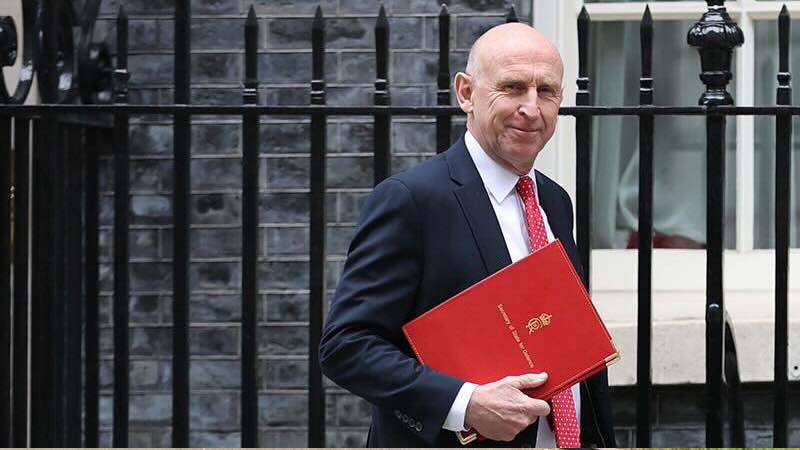
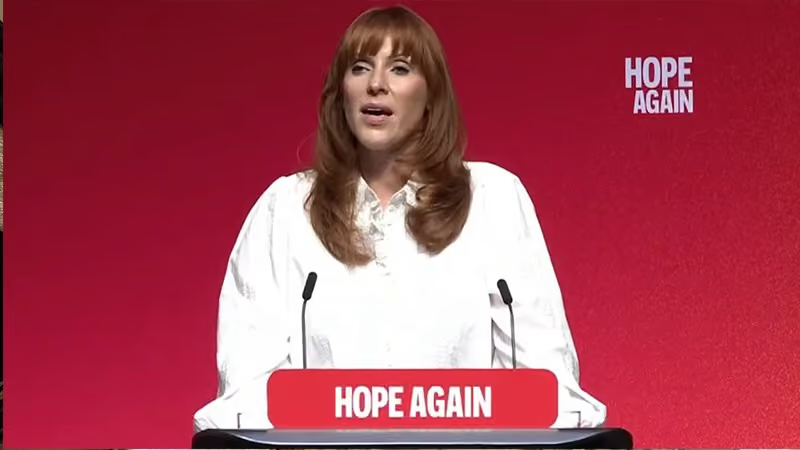
Housing Secretary Angela Rayner told MPs it was unacceptable that enforcement was too slow and penalties too weak to compel those responsible to act.
“We will give regulators the tools that they need, including the ability to issue escalating financial penalties, and to pursue criminal prosecution in the worst cases,” she said. “From now on, no building and no resident will be left behind. Our new remediation backstop will allow public bodies to step in and carry out remediation work themselves. That will mean that residents have a route to remediation, even when the responsible entity is determined to ignore its duty to keep residents safe.”
Construction product manufacturers connected to historic unsafe cladding and insulation products will also be made to contribute more towards putting affected buildings right. For the first time, government will have powers it needs to recover contributions from manufacturers, and at scale.
Tags:














Comments