.jpg)
-
22/10/26 11:05 am


Nottingham Council claims landlords have gained improved knowledge, standards and best practice worth £3.6 million thanks to the city’s licensing schemes.
Its first Social Impact and Social Return on Investment report into landlord licensing reckons that over five years (2020–2024) an investment of £24.9 million (89% of which was used on staff costs) generated £115 million in social value – equivalent to £4.62 returned for every £1 invested. The current licence fee is £918 per individual selective licence property, and £1,553 per HMO licence.
It follows news that one of its councillors, Faith Gakanje-Ajala was told to pay more than £10,000 for failing to license an HMO.
Despite the somewhat unfortunate timing, the council believes the impact of licensing in ensuring the quality of landlords is valued at £10.5 million. Of this, £3.6 million is value to landlords, because of improved knowledge, standards and best practice, while taking into account the cost of increased administrative burden. “The majority of this impact is as a result of licensing creating a level playing field for all landlords, with £6.9 million value from bringing unlicensed landlords within licensing and penalising unlawful/criminal landlords.”
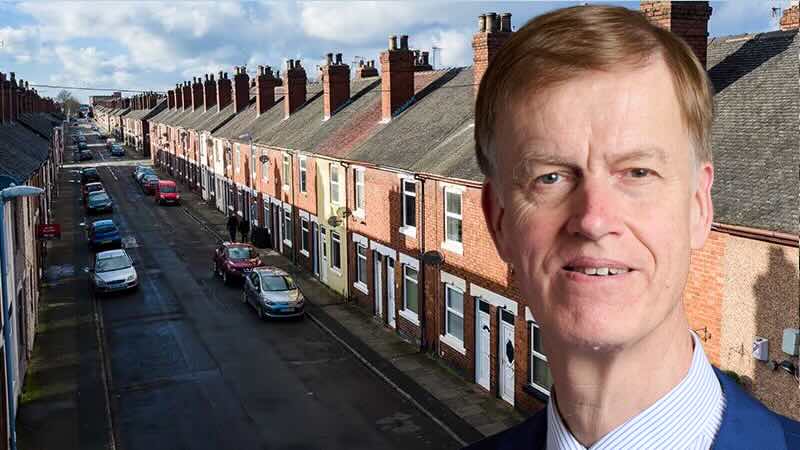
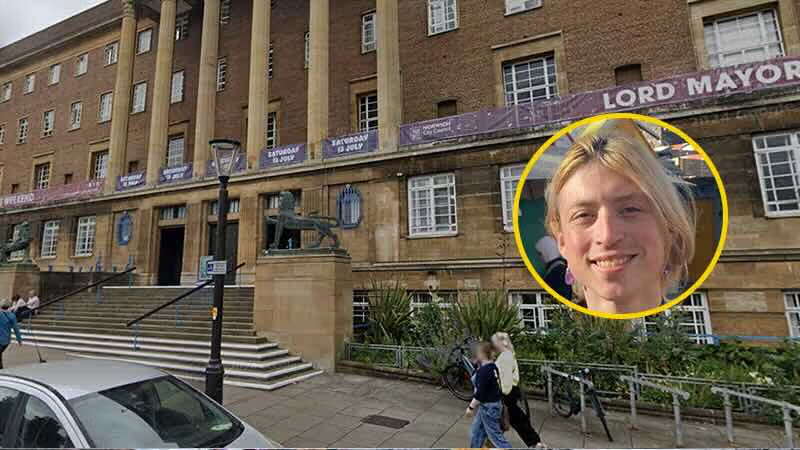
It adds that more than 14,500 renters have benefited directly from improvements to their homes. However, Nottingham landlord Mick Roberts, (pictured left) the city’s biggest provider of rental homes to benefit claimants, says neither he nor his tenants were consulted about getting value for money. He tells LandlordZONE that he’s had to spend money on licensing rather than on improving tenants’ kitchens and bathrooms.

“14,500 tenants haven’t benefitted,” adds Roberts. “Some will have, but lots more are worse off. And where are the figures the council are now spending extra on temporary accommodation? And if anti-social behaviour has improved, why did they have to renew the scheme after five years?”
Although 36% of landlords report improved knowledge of their responsibilities as a result, the council acknowledges that some perceive licensing primarily as a financial and administrative burden. “Around a quarter expressed dissatisfaction with costs, and some questioned whether the worst landlords are adequately captured. The wider activities of licensing may not be visible to individual landlords, whose experience may be limited to their individual interactions with licensing – which leads them to focus on the administrative and financial burden to them.”
Nottingham issued 33,318 additional and selective licences and says during this time, its team carried out 19,163 investigations of unlicensed landlords, with 7,443 of these properties found to need a licence.
It says the assessment process has highlighted the need for licensing to balance its focus on regulatory robustness, with clear communication of its wider purpose and impact, with continued emphasis on engagement and information sharing, training, and visible action against landlords who seek to evade licensing to maintain landlords’ confidence.
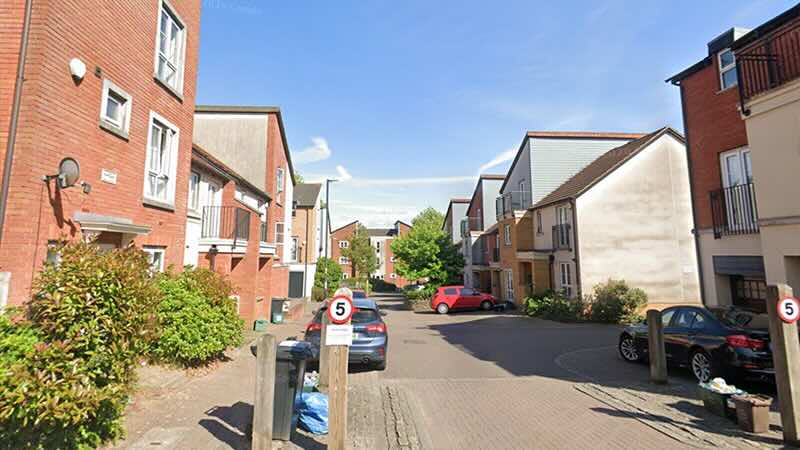
Councillor Jay Hayes, (pictured above) executive member for housing & planning, says it’s the first time in England that the social impact of private rented housing licensing has been measured in this way. “What makes this report unique is that it moves the conversation beyond cost, and instead focuses on value – value for residents, for responsible landlords, for partners, and for the city as a whole.”
Tags:









.avif)
%20(800%20x%20450%20px).avif)




Comments