-
22/10/26 11:05 am


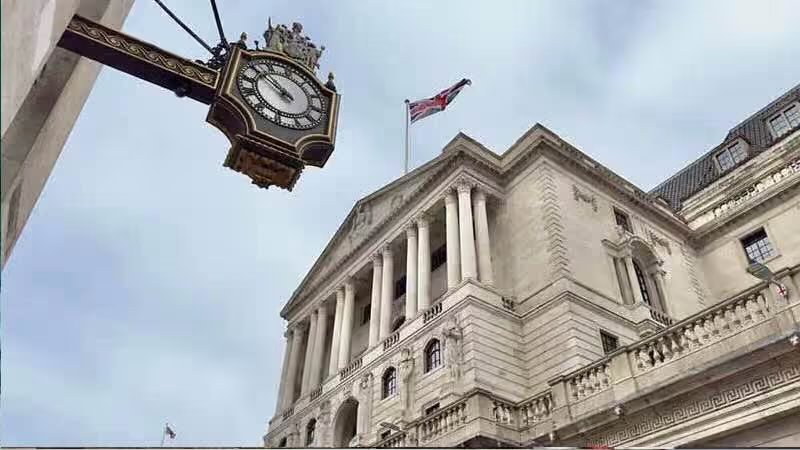
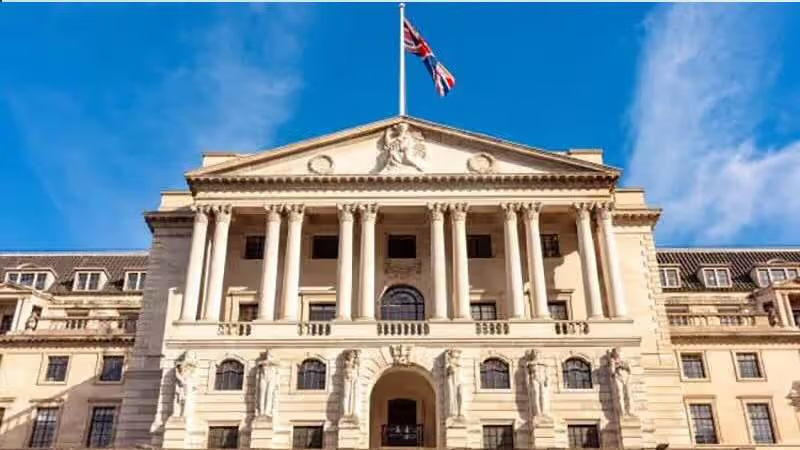
The Bank of England has raised interest rates for the first time in three years, taking the base rate from 3.75% to 4%.
Eight members of the Bank’s monetary policy committee (MPC) voted for the move in a bid to reduce how much rising energy costs affect other prices. The Bank now expects UK inflation to spike to 4.9% in the middle of next year – up from 3.2% in its last economic forecast, in July. Inflation hit 3.5% in September.

Governor Andrew Bailey (pictured left) raised the prospect of another rate rise in the near future but says today’s increase shouldn’t be seen as the first in an inevitable long sequence in hikes. He adds: “But, unless the conflict in the Middle East is resolved, neither does it seem likely to be the last increase.”
The Bank’s next interest rate decision will be announced on 17 December.
According to financial experts, expectations of a rise have been already largely reflected in swap rates and mortgage pricing, so borrowers shouldn’t assume the move automatically translates into an equivalent increase in mortgage rates.
“Lenders have largely priced it in already, so the direct effect on mortgage rates should be limited, even if some edge their rates up slightly,” says Kevin Shaw, national sales managing director at LRG. "We may see one more rise in the early part of 2027, taking rates to 4.25%, but I’d be surprised if they went any higher.”
Andrew Lloyd, managing director at Search Acumen, reckons this decision will result in another blow to tenants as many landlords look to reset rents at the first available opportunity amid mounting pressure from rising borrowing costs alongside a heavier tax burden. “Whether landlords choose to sell up or pass costs on through higher rents, tenants are likely to end up feeling the greatest squeeze,” says Lloyd.
“For developers and investors, higher financing costs can turn an already challenging sales market into a costly waiting game. When a development can’t find a buyer and completed properties sit empty, interest continues to accrue, debt compounds and the economics of the original investment become increasingly difficult to justify. The danger is that we end up paying twice for the same problem: buyers priced out of the market and properties that nobody can afford to buy, sitting on the balance sheets and racking up debt.”
Leigh Young, director at Elliot Leigh Housing Solutions, believes that although the rate rise was widely anticipated, it will undoubtedly unsettle many landlords who are already facing significant financial pressures. “For those approaching mortgage renewals or on variable-rate deals, higher borrowing costs represent another squeeze on already stretched finances,” says Young.
"From our conversations with landlords, one of the biggest concerns emerging is that many feel increasingly trapped. Rising taxation, borrowing costs and regulatory pressures are making it harder to justify remaining in the market, yet selling is not necessarily an attractive option either, particularly for those worried about achieving the price they need in the current market.”
Nick Leeming, chairman of Jackson-Stops, adds that there is more the government can do to help “While the Bank of England’s priority is to bring inflation under control, the government also has an important role to play in addressing the wider costs of moving. Targeted stamp duty reform would be a positive step to help ease some of that pressure, giving households greater confidence to make their next move and helping unlock activity across the property market.”
* Twenty7tec’s latest Mortgage Market Snapshot shows buy-to-let searches declined last month, reaching 273,330, down 7% both monthly and annually. BTL purchase searches were 25% lower than October 2025, while BTL remortgage activity remained 2% higher year on year, reinforcing the contrast between new borrowing and existing mortgage commitments.
Tags:


















Comments