.avif)
-
27/8/26 2:49 pm


Landlords have been urged to conduct routine pest inspections and ensure tenants understand rubbish etiquette amid a rise in rat infestations at rental properties.

An ageing drainage infrastructure, changes in waste collection practices, and food availability in densely populated areas have all contributed to a rise in rodents in the PRS over the last five years, according to Tony King, owner of pest control firm The Pied Piper. Greater local authority focus on proactive inspections and scrutiny of issues around tenants’ health means it’s increasingly important to check for signs of pest activity, says King, particularly for those landlords in selective licensing areas who usually have to provide evidence of proactive property management.
Act quickly if you get a complaint, ideally within 24-48 hours, advises King, who shares the disturbing image that rodents can quickly colonise a building, chewing through wiring, insulation, and even machinery.
However, having rats at your rental property doesn’t automatically constitute an offence against the landlord, he adds. “Typically, the local authority needs to prove that the landlord did fail to adequately maintain the property, failed to take action on complaints regarding rodents, or permitted conditions that directly contributed to the presence of rodents at the property,” he tells LandlordZONE. “However, if landlords can demonstrate that they have acted swiftly, undertaken essential repairs and engaged professional pest control services then they will likely be in a far better position.”
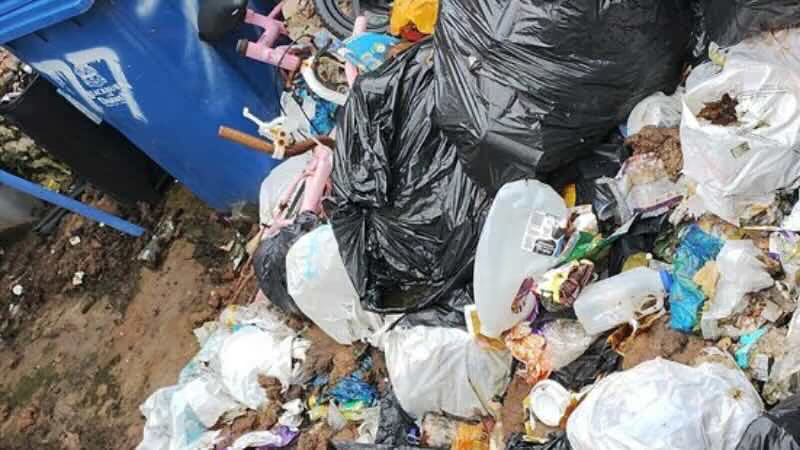
While landlords are responsible for structural defects, damages caused by drain faults, holes in walls, and defective brickwork related to poor maintenance, tenants are typically responsible if an infestation is due to poor housekeeping, allowing waste to accumulate, or incorrectly storing food.
King suggests that tenancy agreements clearly outline tenants’ obligations around secure storage, waste disposal, using the right bins with closed lids and following council bin collection schedules. They should also stipulate that rubbish mustn’t be allowed to accumulate either internally or externally, to avoid misunderstandings and disputes.
Routine pest inspections, particularly at HMOs make good sense, he adds, when electrical, plumbing, or structural repairs due to rodents can easily exceed £10,000. “The cost in money of a failure in compliance always greatly outweighs the investment in preventative pest control.”
Tags:











%20(800%20x%20450%20px).avif)
.avif)




Comments