.avif)
-
27/8/26 2:49 pm


A landlord has been ordered to repay £17,475 in rent after a tribunal found she operated an unlicensed HMO - and criticised her approach to managing the property.
The First Tier Property Tribunal said Usha Sharma’s business model was to replace tenants on the day they left the property, which didn’t allow enough time for proper cleaning, repairs and safety checks.
It also rejected her attempt to offset the cost of putting tenants in a hotel while repair work was carried out, saying the accommodation was inadequate and she continued receiving rent while they were unable to live in the property.
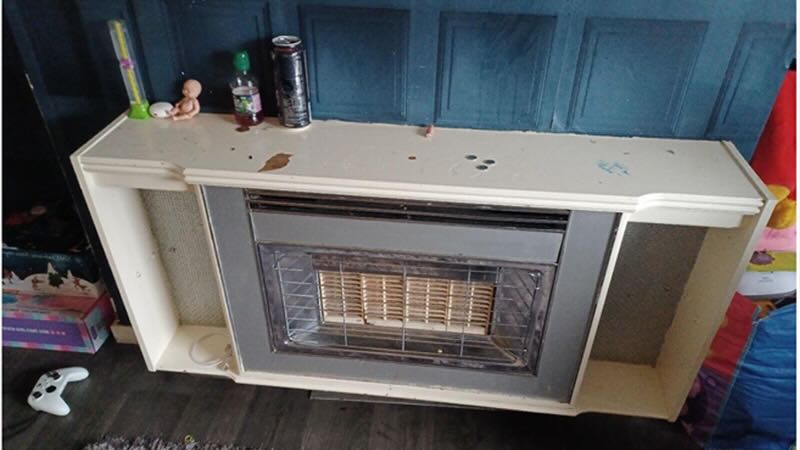
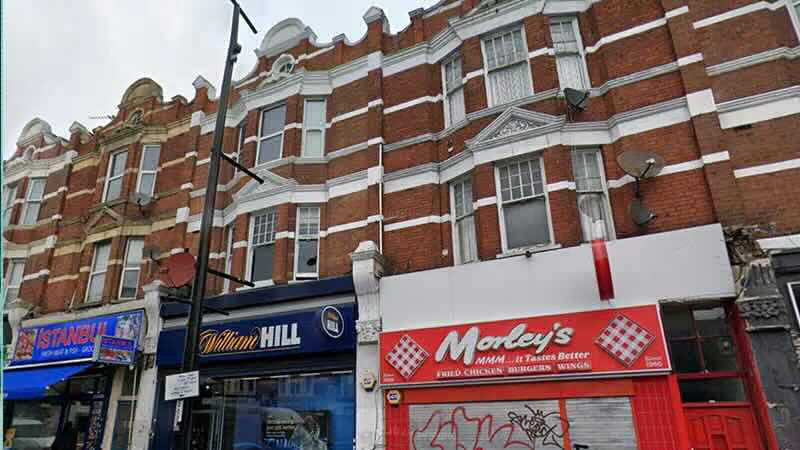
It heard that Sharma had owned the three-bedroom flat in Fairlawn Avenue, Ealing, since 2016, which is covered by an additional licensing scheme. She said it had been intended to be let as a self-contained flat under a single tenancy, rather than operated as an HMO.
The landlord argued that only one of the residents was a tenant, while the two other women living there were not covered by the tenancy, and that she had not appreciated that the arrangement could create an HMO licensing requirement. The tribunal rejected this argument, finding that the landlord knew all three women were living at the property and contributing to the rent.
It said Sharma had “failed to take the legal requirements seriously” and appeared to have “turned a blind eye” to the three-person occupation. It found her property was in poor condition when the tenants moved in and that Sharma’s approach of replacing tenants immediately after they left didn’t allow enough time for proper cleaning, repairs and safety checks.
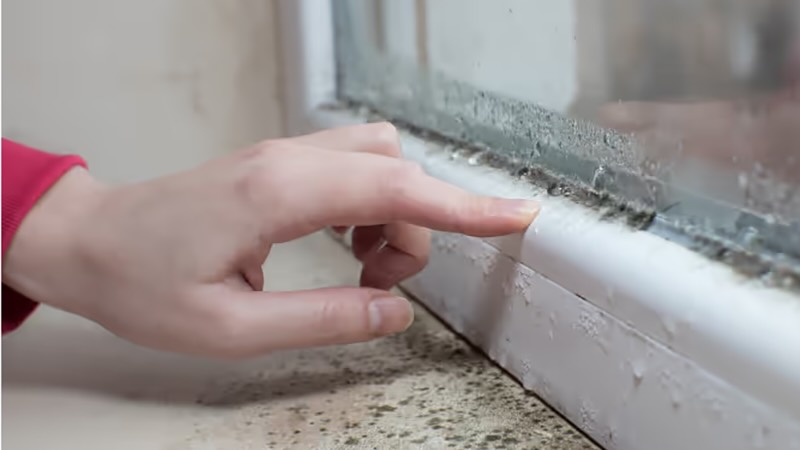
The tenants also complained about damp shortly after moving in. They said their landlord had attempted to get them to leave and had advertised the property on SpareRoom.
When a bathroom leak later forced them out while repairs were carried out, Sharma arranged hotel accommodation. However, the tribunal said: “The respondent did not provide adequate alternative accommodation – a hotel room is not an adequate substitute for a shared flat. Moreover, she appeared to resent having to provide the applicants with appropriate alternative accommodation when she was receiving rent for a property she was not allowing them to live in.”
Sharma asked that the money she had spent on alternative accommodation was deducted from any rent repayment order made – however, this request was refused.
It acknowledged that the landlord had dealt promptly with some repairs, including boiler problems, but said this did not compensate for the poor practices identified and ordered her to repay 75% of the £23,300 rent paid by the three tenants.
Tags:











%20(800%20x%20450%20px).avif)
.avif)





Comments