Akiva worked in the charity sector and property management before joining the legal team at Landlord Action. He has helped countless landlords get back possession of their property from some of the most difficult tenants.”
Alex Nolan, Senior Training Manager at NRLA, provides expert training on HMO management, tenancy processes, and rental sector legislative updates.
Alphaletz is designed to be a simple, cost-effective solution to these problems. Their mission is to free you from the burden of spreadsheets and paperwork, so you can free up time and keep an eye on your profits.
Partner at Xeinadin. Xeinadin is a leading provider of accountancy services and business advice for small and medium-sized enterprises and individuals across the UK and Ireland.
Established in 1860 to care for abandoned animals, Battersea aims to never turn away a dog or cat in need of help. In 2023, we helped 2,529 dogs and 2,450 cats across our three centres. Our work means we see day-to-day the many animal welfare issues facing dogs, cats and the people who care for them.
Here’s what Rightmove’s latest commercial data tells us about commercial property supply and demand
A new poll by LRG has found that 61% of tenants feel either less secure, not sure or indifferent since Section 21 ended.
A quarter of landlords are more likely to reject applicants previously accepted before the Renters’ Rights Act.
Discover why student landlords need a clear property evidence history to stay compliant under the Renters’ Rights Act.
HMRC data shows MTD Income Tax sign-ups among UK landlords rose just 5% to 163,400 ahead of the 7 November deadline.
Growing numbers of landlords are choosing not to increase rents in a bid to keep their tenants and protect them from cost-of-living pressures.
Average prime London rental values increased by 4.6% on an annual basis in September, the fastest rate of growth in 18 months.
A tribunal found that while trying to avoid HMO licensing, a landlord warned his tenants they would be blacklisted from other tenancies.
Paul Shamplina and Suzanne Smith discuss surviving the Renters' Rights Act, landlord compliance, and managing risk in a new PRS era.
The government has rejected rent controls while acknowledging that rents have risen significantly since housing benefit rates were last reset.
Allume and E.ON Next launch FlatSave to bring cheap solar power, lower energy bills, and cash returns to social housing flats.
Last week was the Environment Agency’s Flood Action Week - What should landlords do before the rain comes?
Gateshead Council has slapped a landlord with its first fine for serving an illegal eviction notice since the Renters’ Rights Act came in.
A rogue landlord has been stripped of his OBE for bringing the honours system into disrepute after decades of managing illegally converted houses.
Landlords would be expected to consider tenants’ requests to install an EV charge point within a certain timeframe under new proposals.
Newcastle-under-Lyme has moved to stop landlords converting family homes into HMOs without planning checks.
Chancellor John Healey has reportedly decided not to increase Capital Gains Tax in next week’s Budget.
An estate agency director and his firm have been told to pay more than £24,000 after a fire left tenants trapped in a smoke-filled property.
Three-quarters of landlords don’t know about the new database, raising fears that many will be in the dark when it starts rolling out.
Almost £1.4 billion worth of property investment portfolios are currently listed for sale across England worth an average £859,970.
Rising mortgage rates mean that more than half of first-time buyers now pay more on their mortgage than they did in rent.
Why the digital rules on right-to-rent matter more now after the Renters’ Rights Act
A government-backed alternative has been launched in Guernsey to help tenants finance the upfront cost of finding a rental home.
Another Merseyside council has voted to bring in tougher rules around HMO conversions.
Landlords have urged the Chancellor to use his first Budget Statement to announce a shake-up of Capital Gains Tax to support the PRS.
Landlords are facing growing scrutiny over overheating, with several councils finding excess heat hazards exclusively in private rentals.
Under the Renters’ Rights era, landlords using Section 8 Ground 14 for tenant eviction must build strong, impact-focused evidence.
Another financial squeeze on landlords in the Budget could prompt rent increases, property sales and cause some landlords to quit.
Landlord investment in the PRS appears to be weakening, with higher mortgage costs making buy-to-let increasingly challenging.
A young professional just starting out in London on an entry-level salary can expect to hand over an estimated two-thirds of their gross pay
Letting companies accounted for almost two-thirds of property firms wound up in the five working days before last year’s Budget.
While ONS tracks Manchester at 1.2%, Zoopla and regional metrics show broader North-West growth leading the UK at up to 4.4%.
Two-thirds of rental properties use a letting agent, the highest proportion for two years, as demand for full property management services grows.
Brighton & Hove Council has been forced to halt plans for its new selective licensing scheme following a legal challenge.
Rightmove unveils AI comparison tool built with Google Cloud, driving 2x higher lead enquiries for agents and landlords.
A housing commission has called on the government to legally rule out rent controls and amend the Renters’ Rights Act.
More than one in five HMO tenants have felt unsafe at some point during their tenancy because of a housemate, according to new research.
A former letting agency boss has been handed a suspended prison sentenced after defrauding landlords and tenants out of more than £48,000.
Property tribunals published 237 rent repayment order decisions in 2025, up from 194 in 2024 – with the vast majority about licensing.
The government estimates that extending Awaab’s Law to private rented homes will result in annual net costs to landlords of £42.2 million.
Average gross buy-to-let yields have reached their highest level for more than 15 years, according to Paragon Bank.
Under the new rules on damp and mould, it’s vital you have the records to back up your story
Stoke-on-Trent City Council is bringing in new planning controls to stem the growth of HMOs across the city.
mydeposits and Centrepoint win gold at the Corporate Engagement Awards after raising over £500k through a tenant interest donation scheme.
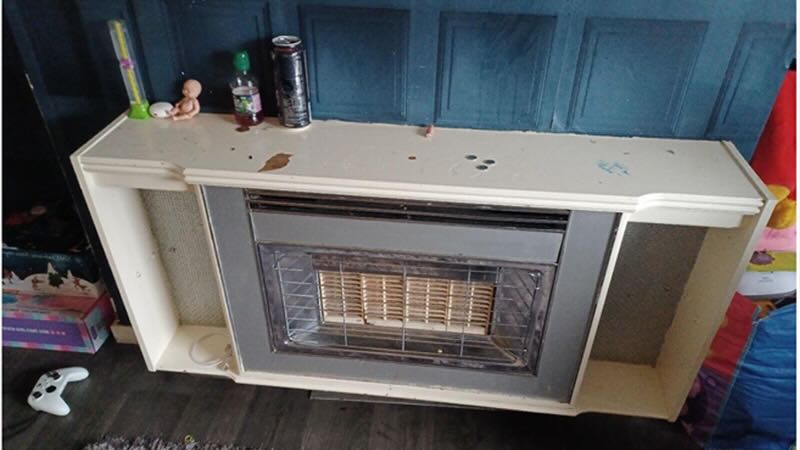
A landlord has been fined £26,000 after he left the mother of a newborn baby and child with disabilities without heating or hot water.
Landlord and agent groups have urged the government to get the details right as it moves closer to implementing Awaab’s Law in the PRS.
A major institutional BTR landlord has moved its property management in-house as it details big expansion plans.
More tenants are chasing fewer homes as landlord instructions remain scarce, according to UK letting agents.
Three property firms have been expelled from The Property Ombudsman after failing to pay compensation to landlords and a homebuyer.
Are company lets in England a legitimate and workable alternative or a hidden trap?
Spain’s experience of trying to tackle its housing crisis has highlighted the potential impact of tighter regulation on the PRS.
Greater Manchester has launched the Better Renting programme in a bid to improve landlord compliance.
The average UK room rent has hit a new high of £769 per month as year-on-year rental supply fell -4.7%.
Concerns have been raised about which software products are currently ready for landlords to use.
Shadow Housing Secretary Katie Lam has reportedly backed scrapping the Renters’ Rights Act.
Liverpool councillors are set to bring in new planning controls across the city to manage the growth of HMOs.
The average number of investment properties owned by landlords in England and Wales has increased to 18 – a 50% increase from this time last year.
A landlord and his company have been told to pay £246,000 for serious fire safety failures at two residential properties in Lancashire.
The NRLA has slammed the upcoming private rented sector database as a “costly mess” which will only provide an extremely limited service.
Official data says PRS has never been bigger, but agents report that home rentals are vanishing. Landlords tell us they are selling up. Who is right?
Barnet Council has started targeting unlawful HMOs in a series of evening raids across the London borough.
Green Party leader Zack Polanski has called for a three-year emergency brake on rents to end 'fear and uncertainty' in the PRS.
A letting agent has been fined £8,600 for issuing a six-month fixed-term tenancy agreement in breach of the Renters’ Rights Act.
Landlords have been urged to check that a digital identity provider is specifically approved for Right to Rent.
Tenants facing eviction will have access to expanded free legal advice paid for by £16 million in new funding.
A landlord company director has had an £11,000 personal penalty for housing offences cancelled by the Upper Tribunal.
New Scottish housing rules effective 6 October bring strict Awaab's Law timelines, shorter succession periods, and higher wrongful termination fines.
In thirty years buy-to-let beat the S&P 500, returning 22 times its original investment. A Sunday Times article argues the payday is ending
Landlords have been warned that getting the new Form 4A rent increase process wrong could invalidate or delay a proposed rent rise.
The number of homes available to rent across England has plunged by at least 15,500 in just three months, new analysis finds.
Property experts have warned that Andy Burnham’s promised crackdown on rogue landlords could damage relationships and lead to good ones selling up.
A property management duo has been hit with a £100,000 fine for renting out a property with a catalogue of serious problems.
Landlords in Scotland have been urged to get to grips with new damp and mould rules as Awaab’s Law comes into force next week.
The government has pledged to introduce an independent regulator for property agents and caps on fees for leaseholders.
As energy bills rise, landlords and homeowners can save £175 yearly with simple heating checks and minor adjustments before winter.
Councils are to get new powers to take over empty and derelict homes in a bid to tackle the housing crisis.
Landlords need more certainty around paying for improvements to meet planned new energy efficiency standards, the NRLA warns.
Medway Council has given the go-ahead to new selective and additional licensing schemes which go live next January.
UK surveying faces a demographic crisis as 46% plan to exit in a decade, prompting firms to recruit and train new talent pools.
After 5 months it’s neither an exodus nor business as usual for buy-to-let landlords. We’ve had the proponents and the detractors. Who’s right so far?
Great Yarmouth Council has radically altered its selective licensing scheme conditions after a challenge by landlords.
The Welsh government has been urged to consider phasing out Land Transaction Tax (LTT) and offer landlords low-interest loans for retrofit.
Landlords are being advised to strengthen checks after reports that rental properties are being used as short-term brothels.
Four months in, the Renters’ Rights Act has brought fewer market shocks than expected: rents are steady, investment continues, and issues are minor.
Bradford and Breckland councils are the latest authorities to voice concerns over HMO spread.
Landlords have largely complied with EPC rules, but many appear to have done only enough work to bring properties up to the legal threshold.
Wallasey and Birkenhead in Merseyside were the most competitive rental markets during July and August, reports Rightmove.
Lib Dems propose 150k annual social homes, rent-to-equity schemes, and urgent safety reforms to fix unregulated temporary housing.
What do you need to know about the latest version of the Housing, Health and Safety Rating System?
More than three-quarters of self-managing portfolio landlords regularly delay non-urgent maintenance work, a new survey finds.
Landlords in Orkney have been offered loans of up to £25,000 to renovate their empty properties to help the housing shortage.
Agents group believes the government should step in when councils fail to meet a minimum number of proactive inspections and enforcement actions.
A landlord has lost an appeal against a decision refusing to evict a tenant who owed £8,554 in rent arrears.
Older renters are more stretched than younger renters, with the over-70s spending 46% of their income on rent, according to new data.
A Bristol landlord has been ordered to pay a total of £58,271 after he failed to carry out improvements to his unlicensed HMO.
About 562 properties are being lost from the market every day in the third quarter of 2026, the highest rate since 2016.
Landlords have earned £22 for every £1 invested in the 30 years since the UK’s first buy-to-let mortgage launched.
Only about 10p of every £1 increase in Local Housing Allowance appears to have fed through into higher rents, according to a think-tank.
Do landlords have the whole story when they discuss the merits of their letting agents?
A landlord has been told to pay tenants more than £28,000 after he tried to prevent them providing information about his unlicensed HMO.







.jpg)
.jpg)



.jpg)




















.jpg)